
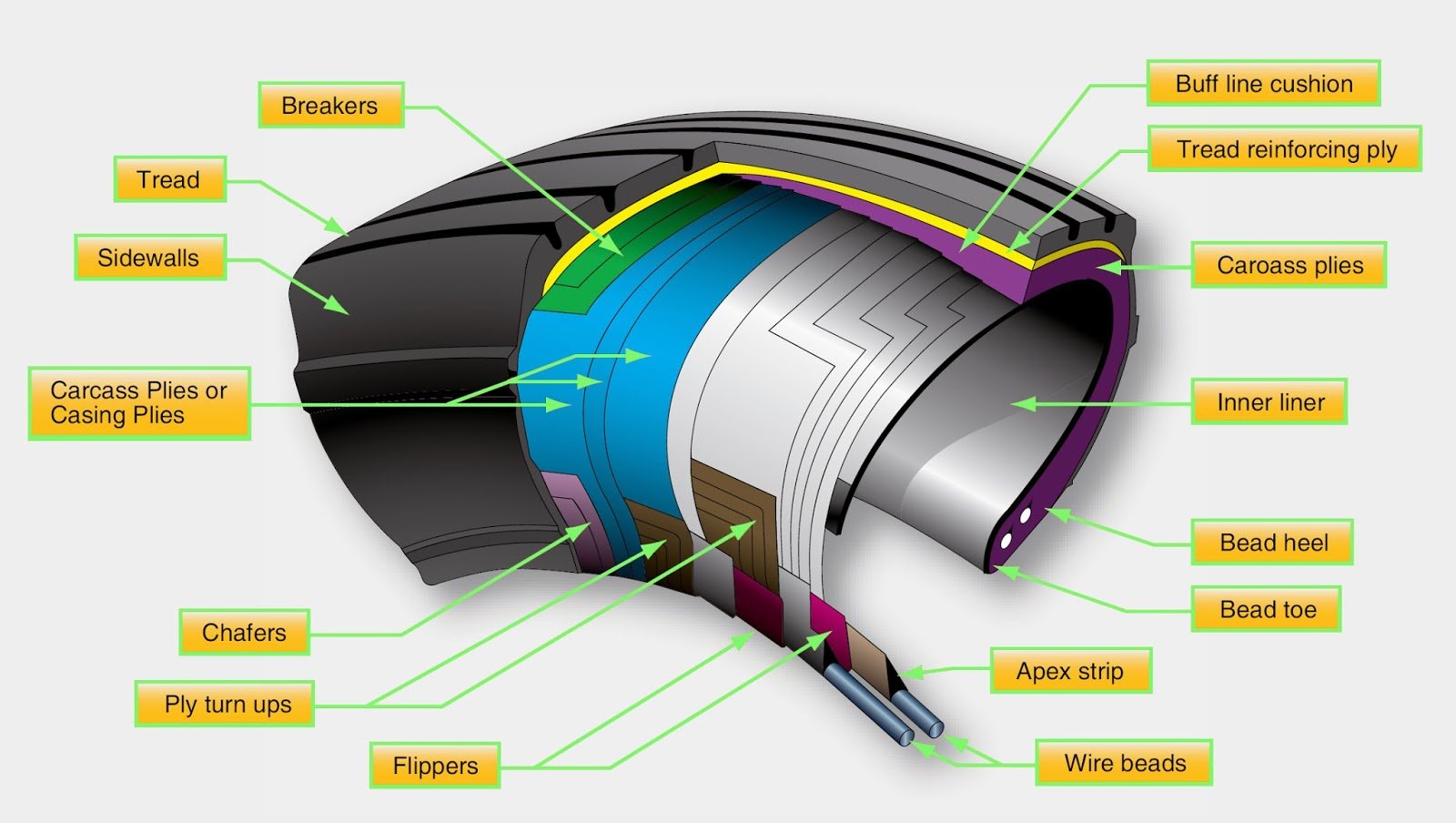
Aircraft tires may look similar at a glance, but they are carefully engineered to match the way each aircraft lands, taxis, and brakes. One detail you may see when reviewing business-jet tires—especially in the Goodyear Flight Eagle product line—is the “H” designation at the beginning of some tire sizes. This “H” is not a random letter; it identifies a tire designed for higher deflection, meaning the tire is intended to flex more under load.
Understanding why this matters helps explain a key difference between business jets and large airline aircraft.
What Does “Higher Deflection” Mean?
In simple terms, deflection describes how much a tire compresses when it supports the weight of an aircraft. A higher-deflection tire flattens slightly more at the bottom when loaded. This flexibility is intentional and engineered, not a sign of weakness or under-inflation.
In Goodyear’s aviation tire system, the “H” designation on certain Flight Eagle tires identifies models that are designed to operate safely at a higher level of controlled flexibility. These tires are built with specific materials and internal construction so they can flex repeatedly while maintaining strength, stability, and safety.
Why Business Jets Need More Tire Flexibility
Business jets are designed very differently from large commercial airliners.
Most business jets have:
- Compact landing gear
- Shorter shock-absorber travel
- Tighter space constraints in wings and fuselage bays
Because the landing gear has limited movement, the tire itself becomes part of the aircraft’s shock-absorbing system. Higher-deflection tires help by:
- Cushioning the aircraft at touchdown
- Reducing sharp impact forces
- Protecting landing-gear components and the airframe
This is where Goodyear Flight Eagle “H” tires are commonly used. Their additional flexibility helps absorb landing energy smoothly before it reaches the landing gear and structure.
Why Airliners Use Stiffer Tires
Large airline aircraft operate under very different conditions. They are heavier, fly many more cycles per day, and use large landing gear with long shock-absorbing struts. In these aircraft:
- Most landing impact is absorbed by the landing gear itself
- The tire’s main role is to carry weight and support braking
Airline main tires are designed to:
- Hold their shape under extreme loads
- Provide precise braking control
- Minimize heat during high-energy stops
- Deliver predictable wear over thousands of landings
In this environment, extra tire flexibility offers little benefit and can actually increase heat and wear. That’s why high-deflection designs like Flight Eagle “H” tires are far more common in business jets than in airline main gear.
Benefits of Flight Eagle “H” Tires for Business Jets
For aircraft designed to use them, higher-deflection Flight Eagle tires provide several advantages:
- Smoother landings with reduced shock
- Lower peak stress on landing gear and airframe
- Better compliance on uneven or older runways
- Improved comfort during taxi and rollout
These benefits are especially important for business jets that operate from a wide range of airports, including regional and private fields that may not have the same runway conditions as major airline hubs.
Why the “H” Designation Matters
The “H” designation is not interchangeable with standard tires of the same size. It reflects a specific design intent chosen by the aircraft manufacturer and tire supplier. Installing a non-H tire where an H-designated tire is specified can change how the aircraft responds during landing and braking.
That’s why Goodyear clearly identifies these tires in the Flight Eagle lineup—to ensure the tire matches the aircraft’s landing-gear design and performance expectations.
Simple Takeaway
Business jets and airliners land differently, and their tires reflect that.
- Business jets often rely on the tire to help absorb landing impact
- Airliners rely on large landing-gear systems and use stiffer tires for load and braking control
The Goodyear Flight Eagle “H” tire designation exists because some aircraft are engineered to benefit from that extra flexibility. When used as intended, these tires help deliver smoother landings, lower structural stress, and reliable performance tailored to business-jet operations.